← All posts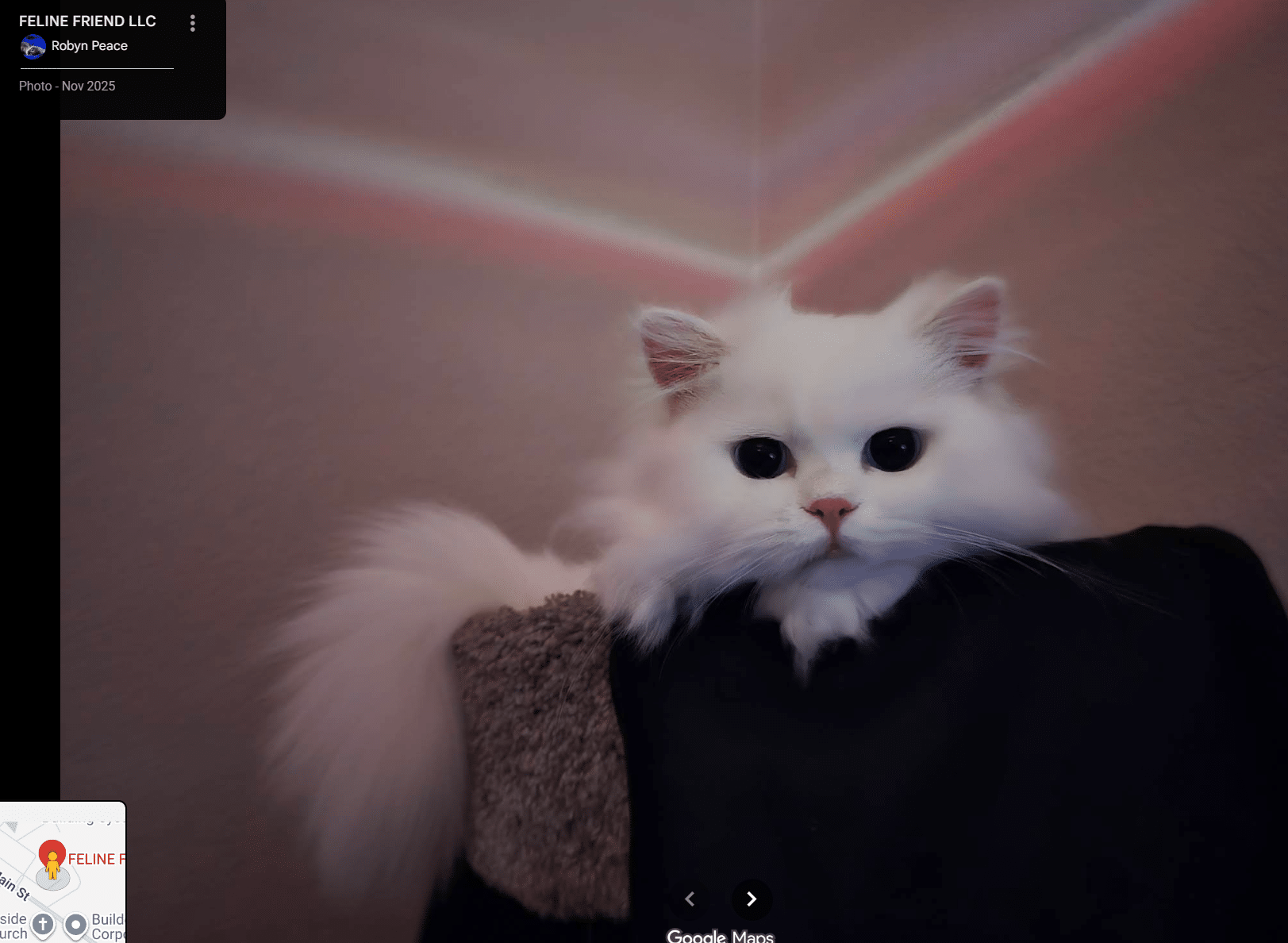
Persian Cat Health Problems (and How to Avoid Them)
Persians are one of the world’s most beloved breeds — but they carry a reputation for health problems. The truth: most of those problems come from how a cat is bred, not from the breed itself.
The problems linked to the flat (peke) face
The extreme, flat “peke-face” look bred for the show ring is responsible for the issues people hear about most:
- Brachycephalic breathing difficulty — compressed nasal passages restrict airflow.
- Chronic tear staining — flattened faces block tear ducts, so eyes weep constantly.
- Dental crowding — the shortened jaw forces teeth out of alignment.
A doll-face Persian keeps the traditional, slightly longer nose, which sidesteps most of these. That’s the doll face vs peke face difference in practice.
The two genetic conditions to test for
Two inherited diseases matter most, and both are detectable before breeding:
- PKD (Polycystic Kidney Disease) — fluid-filled cysts that damage the kidneys over time. A simple DNA test identifies carriers.
- HCM (Hypertrophic Cardiomyopathy) — the most common feline heart disease. Responsible breeders screen for it.
Read more about PKD and HCM testing.
How to lower the risk before you buy
- Choose a doll-face structure over an extreme flat face.
- Ask for DNA test documentation for PKD and HCM on both parents — and actually look at it.
- Buy from a breeder who health-tests, not a listing site.
At Royal Persian Cats, every breeding cat is DNA-tested for PKD, and we breed only the healthier doll-face structure. It’s why our cats typically live 15 years or more.