PKD and HCM Testing in Persian Cats: What It Means
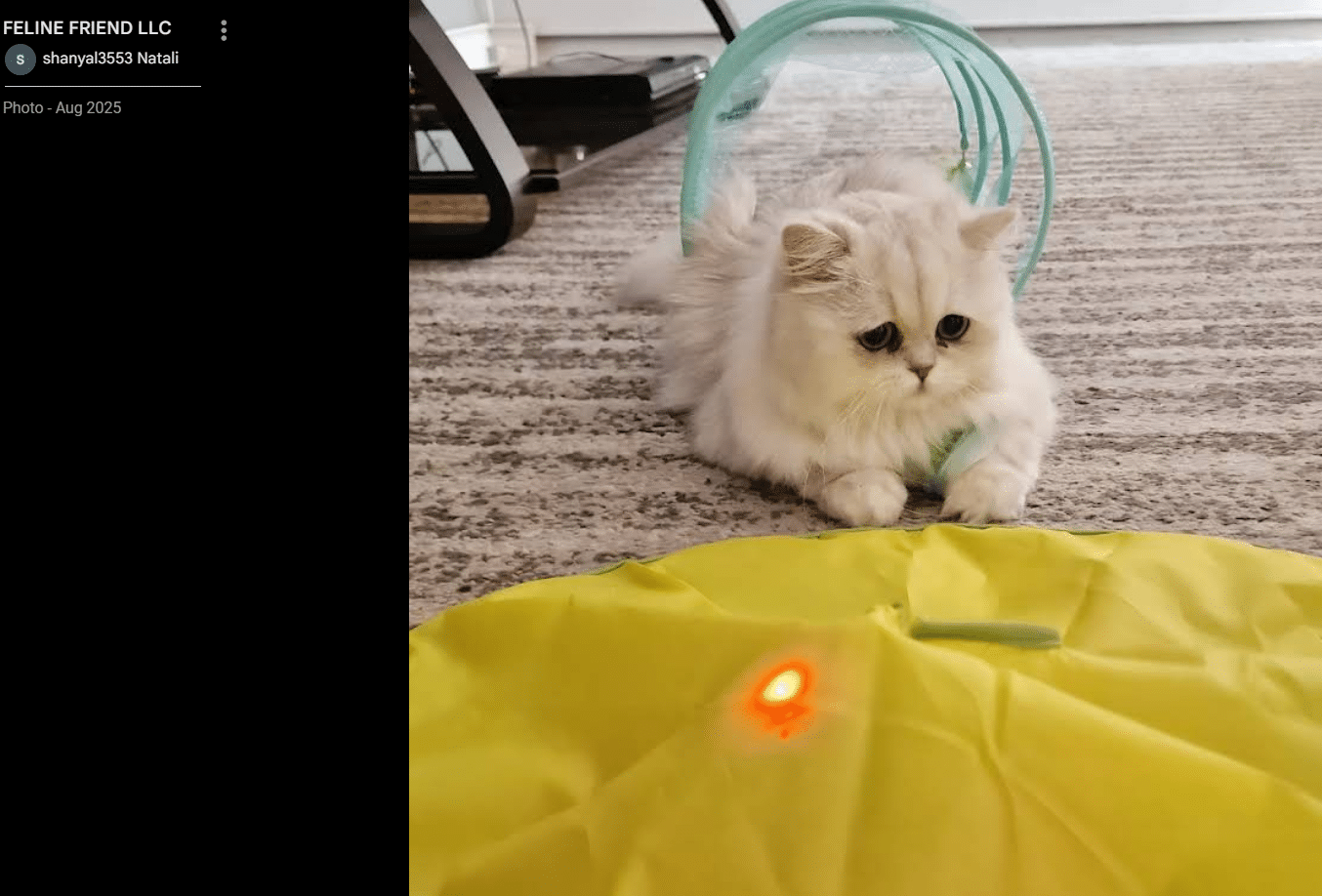
When a responsible breeder says their cats are “health tested,” two acronyms should come up: PKD and HCM. Here’s what they mean and why they should be non-negotiable.
PKD — Polycystic Kidney Disease
PKD is an inherited condition where fluid-filled cysts form in the kidneys and grow over time, eventually impairing kidney function. It was historically common in Persians.
- How it’s detected: a simple, one-time DNA test identifies carriers of the dominant PKD1 gene.
- Why it matters: because the test is definitive, there’s no excuse for breeding untested cats. Responsible breeders simply don’t pair carriers.
HCM — Hypertrophic Cardiomyopathy
HCM is the most common heart disease in cats — the heart muscle thickens, reducing its ability to pump efficiently.
- How it’s screened: through DNA testing for known mutations and, in many programs, periodic cardiac ultrasound (echocardiogram) of breeding cats.
- Why it matters: HCM can be silent until it’s serious, so screening the parents is the best protection.
What to ask your breeder
- Can I see PKD and HCM test results for both parents?
- Is the documentation from a recognized lab?
- “Vet checked” is not the same as DNA testing — ask specifically.
A breeder who can’t produce this paperwork is asking you to gamble. Here’s our full checklist for choosing a breeder.
Our standard
Every breeding cat at Royal Persian Cats is DNA-tested for PKD, with documentation provided to every family — part of why we can offer real health guarantees. It’s also why our doll-face Persians tend to live long, healthy lives.